


Quasimodo: A Hidden Gem in Technical Analysis
Have you ever felt like you were staring at a cryptic message hidden in plain sight? That's often how I feel when I spot a Quasimodo pattern on a chart. It's like a secret code waiting to be deciphered, revealing potential turning points in the market.
What is a Quasimodo?
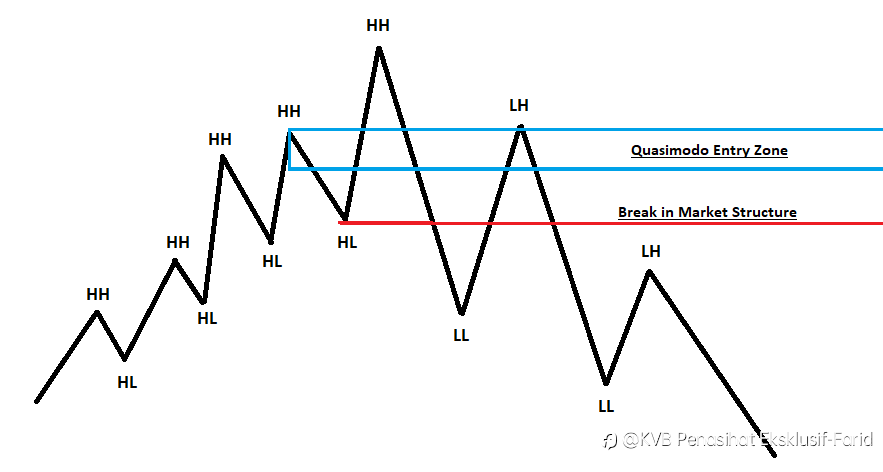
Imagine a hunchbacked figure, like the famous Quasimodo from Victor Hugo's novel. Now, picture that shape mirrored in the price action of a financial instrument. That's essentially a Quasimodo pattern. It's a specific formation that often signals a potential reversal in the market.
How to Spot a Quasimodo
Three Peaks: Look for three consecutive swing highs, with the second one being the highest and the third one roughly aligning with the first.
Two Valleys: Between these peaks, there should be two swing lows, creating a valley-like shape.
Entry Zone: The area between the second and third peaks is often considered the potential entry zone.
Trading with a Quasimodo
Once you've identified a Quasimodo, it's time to decide how to play it. Here's a general approach:
Buy: If you believe the price is likely to reverse upward, consider buying near the bottom of the entry zone.
Sell: If you think the price is headed downward, consider selling near the top of the entry zone.
But remember: Trading with any pattern involves risk. Always do your due diligence, consider other factors like market sentiment and economic indicators, and use appropriate risk management strategies.
Why I Love the Quasimodo
The Quasimodo pattern is more than just a technical indicator; it's a fascinating puzzle that can reveal hidden opportunities in the market. It's a reminder that even in the seemingly chaotic world of trading, there are often patterns and structures waiting to be discovered.
Have you ever spotted a Quasimodo pattern? How did you play it? Share your experiences in the comments below!
إخلاء المسؤولية: الآراء الواردة هنا تعبر فقط عن رأي الكاتب، ولا تمثل الموقف الرسمي لـ Followme. لا تتحمل Followme مسؤولية دقة أو اكتمال أو موثوقية المعلومات المُقدمة، ولا تتحمل مسؤولية أي إجراءات تُتخذ بناءً على المحتوى، ما لم يُنص على ذلك صراحةً كتابيًا.
اترك رسالتك الآن