


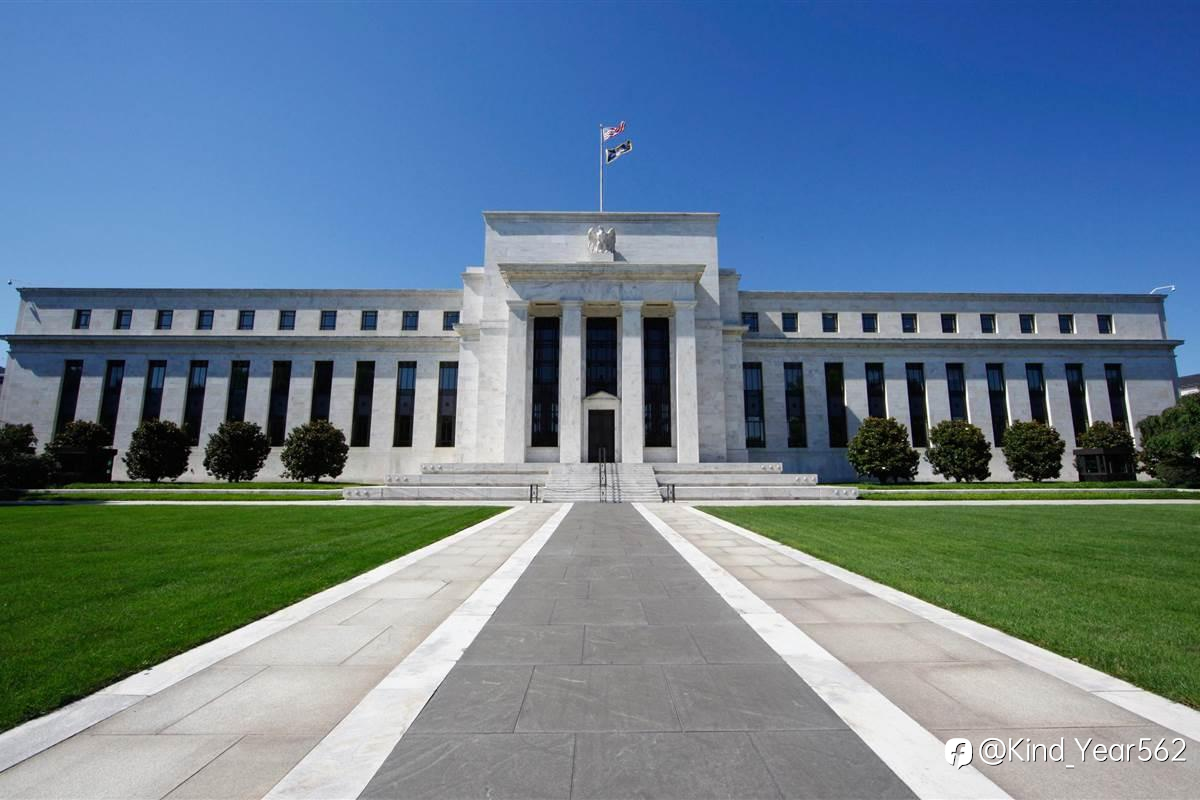
Financial markets are preparing for an important U.S. Federal Reserve event on Wednesday, August 19, 2026, as the Federal Reserve is scheduled to release the minutes from its July 28–29 FOMC meeting.
It is important to note that tomorrow’s event is not a fresh interest-rate decision. The minutes will provide investors with additional insight into the discussions, disagreements and policy considerations that shaped the July meeting. The next scheduled FOMC policy meeting is September 15–16.
What Happened at the July FOMC Meeting?
At its July 29 meeting, the Federal Open Market Committee voted 9–3 to maintain the federal funds target range at 3.50%–3.75%.
The decision was not completely unanimous. Three policymakers—Beth M. Hammack, Neel Kashkari and Lorie K. Logan—preferred a 25-basis-point rate increase.
The Fed said economic activity was expanding at a solid pace, while inflation remained elevated relative to its 2% objective. It also highlighted uncertainty associated with the ongoing Middle East conflict and its potential economic effects.
This disagreement makes the upcoming minutes particularly important because traders will be looking for more detail on how policymakers assessed inflation, employment, growth and the risks surrounding future interest-rate decisions.
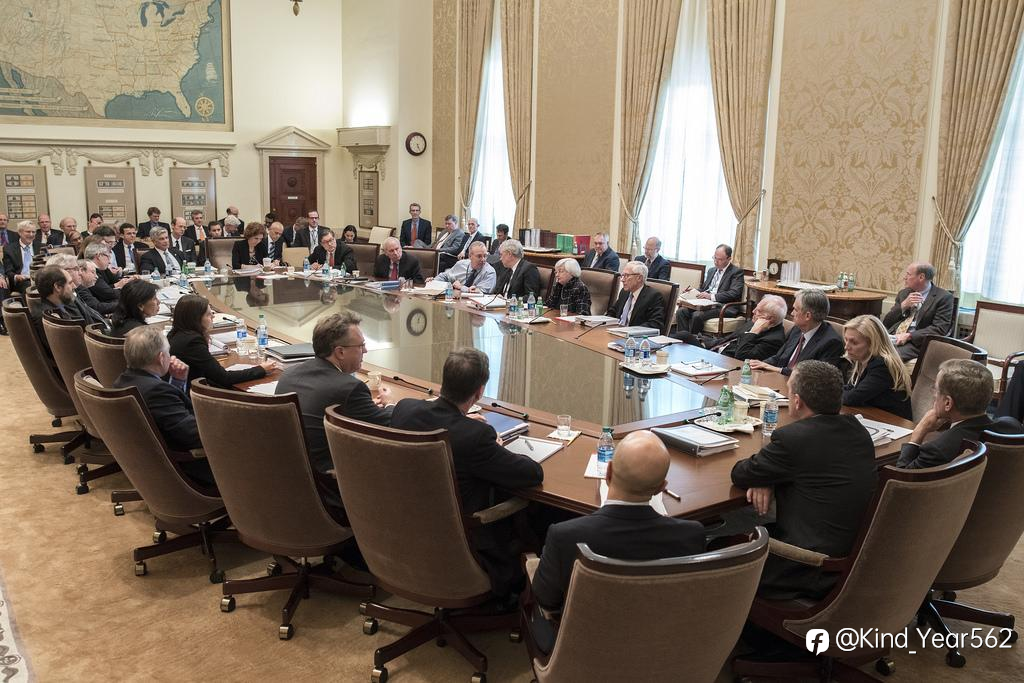
What Should Traders Watch in the Minutes?
1. The Fed's Inflation Debate
Inflation remains one of the biggest challenges for policymakers.
Recent U.S. data have shown some signs of softer price pressures, but inflation remains above the Federal Reserve's 2% target. The July FOMC statement specifically said inflation remained elevated, partly because of supply shocks affecting sectors including energy.
The minutes could therefore reveal how concerned policymakers are about the possibility that higher energy prices may keep inflation elevated.
2. Possibility of Another Rate Hike
The July decision already showed a notable policy split, with three officials preferring a 25-basis-point increase.
That makes the minutes important for understanding whether the discussion was broadly cautious or whether support for additional tightening was more widespread than the final vote suggested.
Market expectations have shifted significantly in recent sessions. Reuters reported on August 17 that traders were pricing only around a 30.6% probability of a September rate increase, down from 52.2% a week earlier, following softer U.S. payroll and retail-sales data.
3. Labor Market Conditions
Employment will also remain a key part of the Fed's policy debate.
The July FOMC statement said job gains had kept pace with the workforce and that the unemployment rate had changed little.
If the minutes show that policymakers are increasingly concerned about weakening labor-market conditions, markets could interpret that as reducing the probability of additional tightening.
Impact on Gold
Gold traders will be watching the FOMC minutes closely because changes in interest-rate expectations can influence both the U.S. dollar and Treasury yields.
On August 18, Reuters reported that spot gold was around $4,391.77 per ounce, down 0.5% on the day, while markets were awaiting the Fed minutes. Rising oil prices and Treasury yields were also creating competing pressures for gold.
A dovish interpretation of the minutes could support gold if traders reduce expectations for future rate increases.
Conversely, a hawkish tone could strengthen the dollar and Treasury yields, potentially creating pressure on non-yielding assets such as gold.
Impact on the U.S. Dollar
The U.S. dollar could react quickly if the minutes provide a stronger indication of the Fed's next policy direction.
A more hawkish message—particularly evidence that several policymakers remain concerned about inflation—could support the dollar.
A more cautious or dovish discussion could have the opposite effect, particularly if markets conclude that the Fed is becoming less willing to tighten policy.
Why This FOMC Release Matters
The minutes arrive at a particularly sensitive time for financial markets.
Reuters reported on August 18 that U.S. Treasury yields rose sharply amid renewed geopolitical and inflation concerns, with the 30-year Treasury yield reaching around 5.327%, its highest level since 2007. Oil prices were also above $90 per barrel, adding to concerns about future inflation.
This means investors will be watching the minutes not simply for the July rate decision—which is already known—but for clues about how policymakers may react to changing inflation, employment, oil prices and financial conditions.
Key Levels to Watch After the Release
For traders, the immediate reaction may be visible across:
- DXY / U.S. Dollar: Watch for a breakout following a hawkish or dovish interpretation.
- Gold (XAU/USD): Higher yields and a stronger dollar could pressure gold, while softer rate expectations could support it.
- U.S. Treasury Yields: A hawkish Fed interpretation could push yields higher.
- U.S. Equities: Rate-sensitive sectors may react strongly to changes in expectations for future monetary policy.
- Forex Markets: USD pairs could experience increased volatility immediately after the minutes.
Final Takeaway
The August 19 FOMC release should be viewed as a policy-insight event rather than a new rate decision.
The federal funds target range is currently 3.50%–3.75%, following the July meeting's 9–3 decision to keep rates unchanged.
The most important question for markets will be whether the minutes reinforce the idea of a cautious Federal Reserve or reveal stronger support for additional tightening.
With the next policy meeting scheduled for September 15–16, Wednesday's minutes could provide an important indication of how policymakers are approaching the next stage of U.S. monetary policy.
For traders, volatility may increase across the USD, gold, Treasury yields and U.S. equity markets around the release. Risk management remains essential, especially during the first few minutes after the publication.
إخلاء المسؤولية: الآراء الواردة هنا تعبر فقط عن رأي الكاتب، ولا تمثل الموقف الرسمي لـ Followme. لا تتحمل Followme مسؤولية دقة أو اكتمال أو موثوقية المعلومات المُقدمة، ولا تتحمل مسؤولية أي إجراءات تُتخذ بناءً على المحتوى، ما لم يُنص على ذلك صراحةً كتابيًا.

