

· Views 4,075
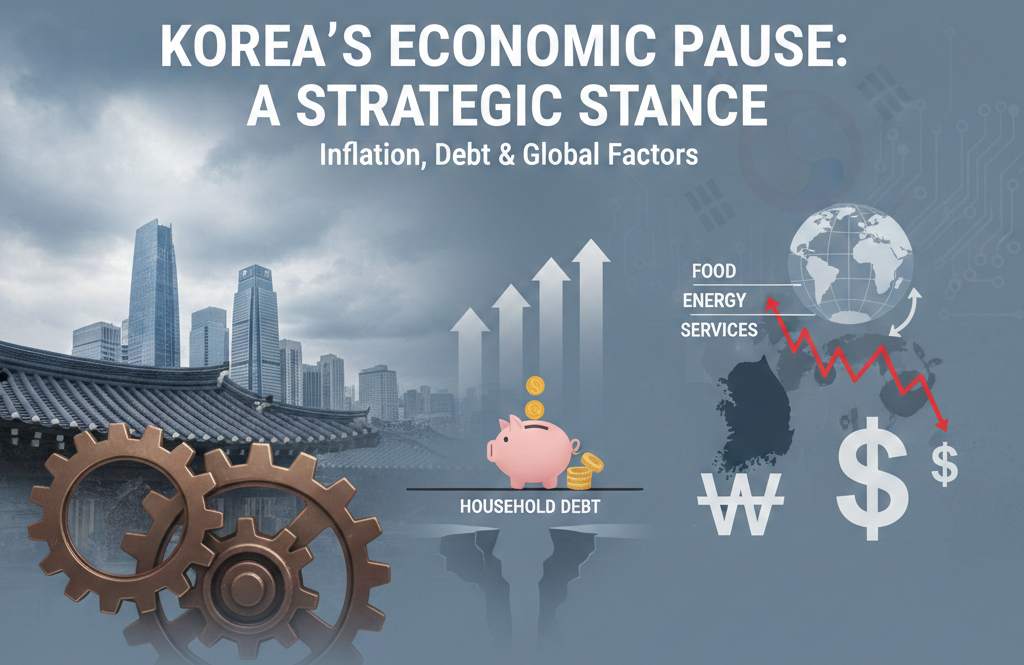
There are several reasons why the Bank of Korea may prefer to pause rather than continue cutting rates. One major factor is inflation. Even though price growth has slowed from earlier peaks, certain categories such as food, energy, and services continue to show upward pressure. The central bank wants to ensure inflation stays on a steady downward path before easing further.
Another key concern is household debt. Korea has one of the highest household-debt levels relative to income among developed economies. Lower interest rates might encourage more borrowing, which could worsen long-term financial risks. By pausing, the central bank aims to avoid adding fuel to this issue.
Global conditions also play a role. If the US Federal Reserve delays easing or maintains higher rates for longer, aggressive cuts in Korea could widen interest-rate differentials and put pressure on the won. This could destabilize capital flows or make imports more expensive.
Taken together, these factors suggest that Korea’s pause is not a setback but a strategic move to maintain stability while watching how global and domestic conditions develop.
إخلاء المسؤولية: الآراء الواردة هنا تعبر فقط عن رأي الكاتب، ولا تمثل الموقف الرسمي لـ Followme. لا تتحمل Followme مسؤولية دقة أو اكتمال أو موثوقية المعلومات المُقدمة، ولا تتحمل مسؤولية أي إجراءات تُتخذ بناءً على المحتوى، ما لم يُنص على ذلك صراحةً كتابيًا.
هل أعجبك هذا المقال؟ عبّر عن امتنانك بإرسال نصيحة للكاتب.

اترك رسالتك الآن