


· Views 137
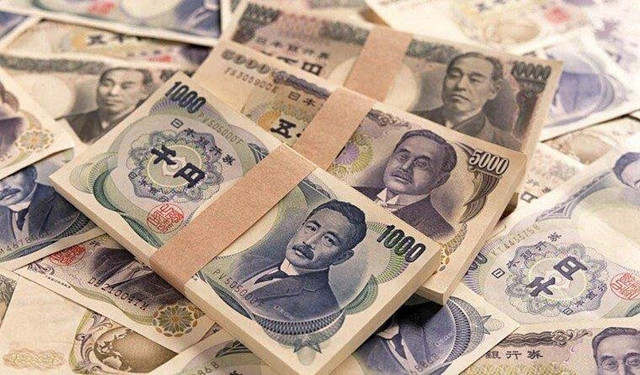
Japan's central bank implemented its inaugural interest rate hike on Tuesday after 17 years, discontinuing its long-standing strategy of maintaining negative rates aimed at stimulating economic growth.
The Japanese yen remained weak against the U.S. dollar and the euro on Wednesday, hovering close to a four-month low against the dollar and a 16-year low against the euro. In that case, major currencies such as the dollar are likely to be bolstered by rate and yield spreads, while the yen may experience a relative decline.
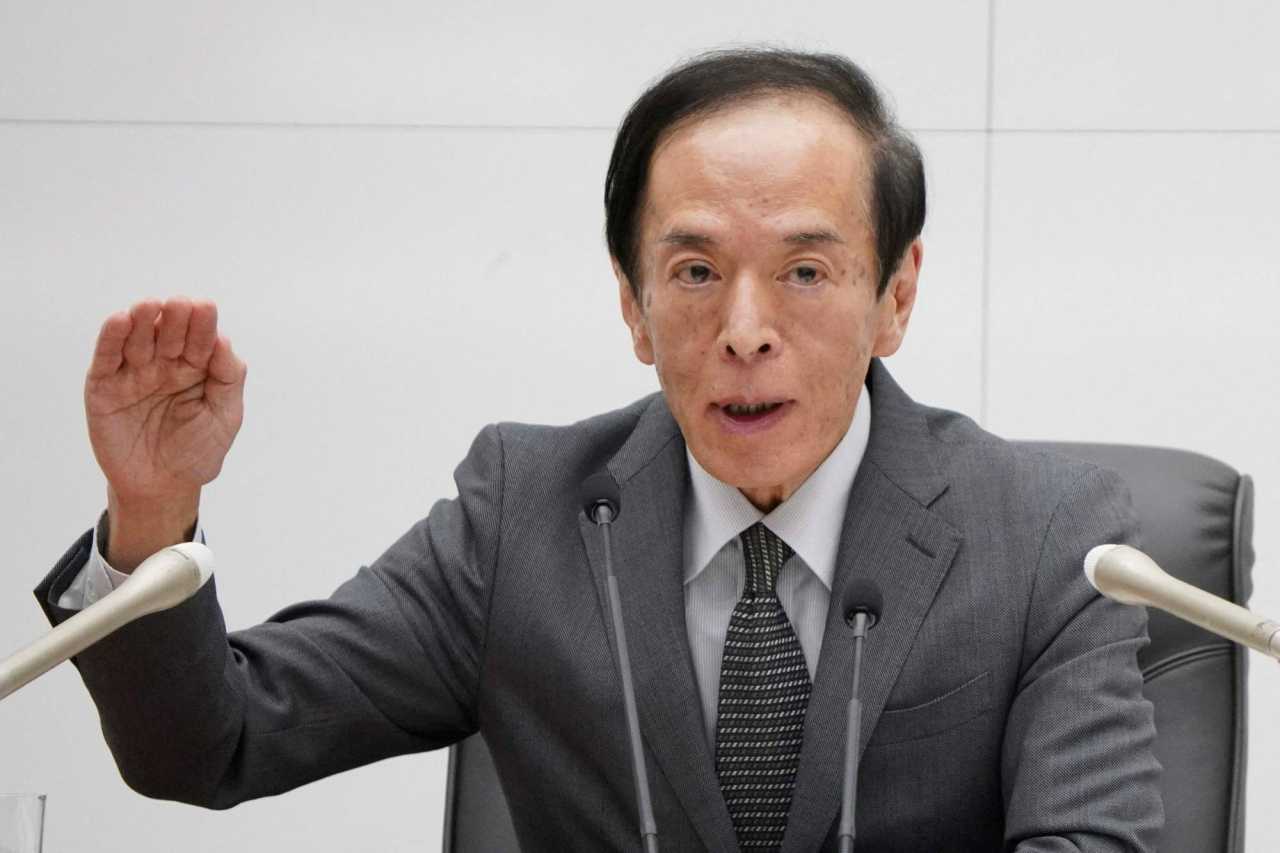
According to Daniela Hathorn, a senior market analyst at Capital.com, the dovish remarks made by BOJ Governor Kazuo Ueda following the meeting effectively dampened any bullish sentiment towards the Japanese currency that may have emerged after the decision.
However, we must bear in mind that there is still some way to go before inflation expectations reach the desired 2 percent. While the Bank of Japan ushered in the country's first rate hike in 17 years, the central bank said it expected to maintain accommodative conditions for the time being, keeping pressure on the yen as U.S.-Japanese rate differentials remain stark.
إخلاء المسؤولية: الآراء الواردة هنا تعبر فقط عن رأي الكاتب، ولا تمثل الموقف الرسمي لـ Followme. لا تتحمل Followme مسؤولية دقة أو اكتمال أو موثوقية المعلومات المُقدمة، ولا تتحمل مسؤولية أي إجراءات تُتخذ بناءً على المحتوى، ما لم يُنص على ذلك صراحةً كتابيًا.
هل أعجبك هذا المقال؟ عبّر عن امتنانك بإرسال نصيحة للكاتب.

اترك رسالتك الآن