


Photo: Reuters
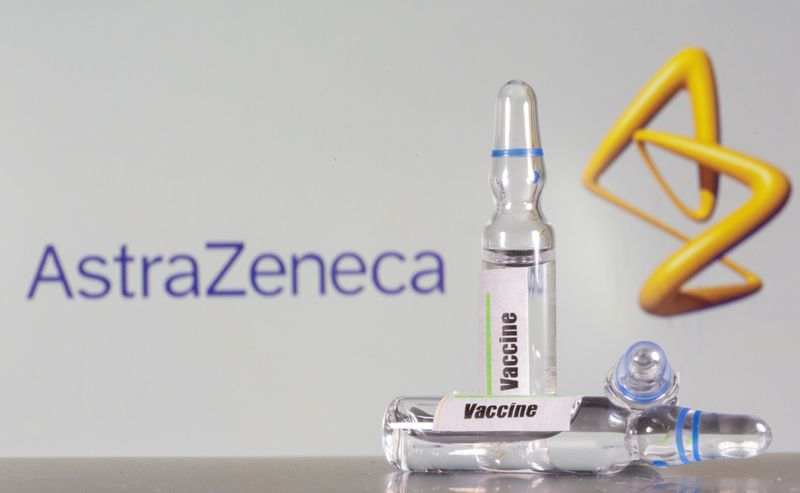
LONDON (Reuters) - Days after grabbing headlines with its COVID-19 "vaccine for the world", AstraZeneca is facing tricky questions about its success rate that some experts say could hinder its chances of getting speedy U.S. and E.U. regulatory approval.
Several scientists have raised doubts about the robustness of results showing the shot was 90% effective in a sub-group of trial participants who, by error initially, received a half dose followed by a full dose.
British drugmaker AstraZeneca said on Monday that its experimental vaccine, developed with Oxford University, prevented on average 70% of COVID-19 cases in late-stage trials in Britain and Brazil.
While the success rate was 90% in the sub-group of volunteers, the efficacy was 62% if the full dose was given twice, as it was for most participants.
That is well above the 50% efficacy required by U.S. regulators. Europe's drug regulator has said it will not set a minimum level of efficacy for potential vaccines.
The U.S. regulator, the Food and Drug Administration (FDA), has not commented on AstraZeneca's vaccine trial results.
The European Medicines Agency said on Thursday it would "assess data on the efficacy and safety of the vaccine in the coming weeks once they have been received from the company".
Read more from the original article:
تم التحرير 27 Nov 2020, 09:27
إخلاء المسؤولية: الآراء الواردة هنا تعبر فقط عن رأي الكاتب، ولا تمثل الموقف الرسمي لـ Followme. لا تتحمل Followme مسؤولية دقة أو اكتمال أو موثوقية المعلومات المُقدمة، ولا تتحمل مسؤولية أي إجراءات تُتخذ بناءً على المحتوى، ما لم يُنص على ذلك صراحةً كتابيًا.

اترك رسالتك الآن