

This shift can also be seen in the EU negotiating mandate for the future relationship negotiations with the UK, and its repeated references to the establishment of a ‘level playing field’ between the EU and the UK. In particular, the mandate states that, “the envisaged partnership must ensure open and fair competition, encompassing robust commitments to ensure a level playing field...the envisaged agreement should uphold common high standards, and corresponding high standards over time with Union standards as a reference point, in the areas of State aid, competition, state-owned enterprises, social and employment standards, environmental standards, climate change, relevant tax matters and other regulatory measures and practices in these areas. In so doing, the agreement should rely on appropriate and relevant Union and international standards.”
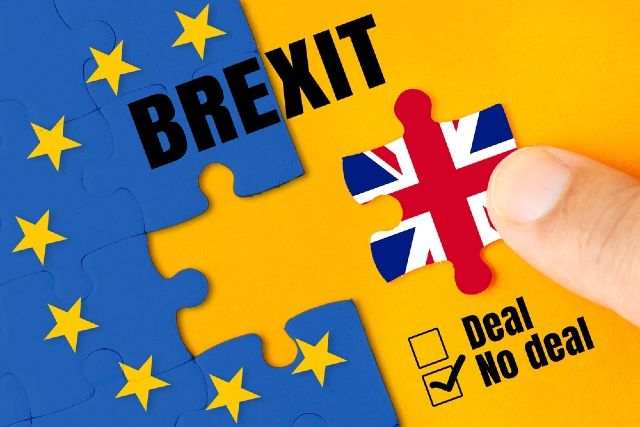
A common intention to uphold high standards, informed by relevant international standards, in the specified policy areas to ensure a level playing field between two entities which are bound together by a significant degree of economic integration is not controversial. What is controversial is that the mandate states that the high standards which the UK should uphold over time should take the EU’s standards as their reference point, and suggests that the EU should be able to take retaliatory measures if those standards are not upheld in the UK. This position is at odds with the UK Government’s statement that it will not agree to obligations for UK’s laws to be aligned to EU laws on an ongoing basis.
The UK and the EU have, as of 15th May 2020, concluded their third round of negotiations. To date, neither side has appeared to be willing to shift their position on the fundamental issue of whether the UK should be obliged to guarantee its alignment with certain EU legislation in order to reach an agreement. Ultimately, for an agreement to be reached, the EU is likely to have to accept that whilst the UK may commit to high standards in key public policy areas through its laws, such as State aid, it cannot commit to the EU’s version of those standards. Notwithstanding the UK Government’s stated intention that it is not willing to do this, it would be difficult for any Government to justify to its electorate the need to confer significant powers to institutions over which that electorate does not have any control. But for the EU to accept this would entail a significant U-turn, and it may be that it has dug itself into an entrenched policy position. The battle over the future relationship is far from over.
إخلاء المسؤولية: الآراء الواردة هنا تعبر فقط عن رأي الكاتب، ولا تمثل الموقف الرسمي لـ Followme. لا تتحمل Followme مسؤولية دقة أو اكتمال أو موثوقية المعلومات المُقدمة، ولا تتحمل مسؤولية أي إجراءات تُتخذ بناءً على المحتوى، ما لم يُنص على ذلك صراحةً كتابيًا.

اترك رسالتك الآن